|
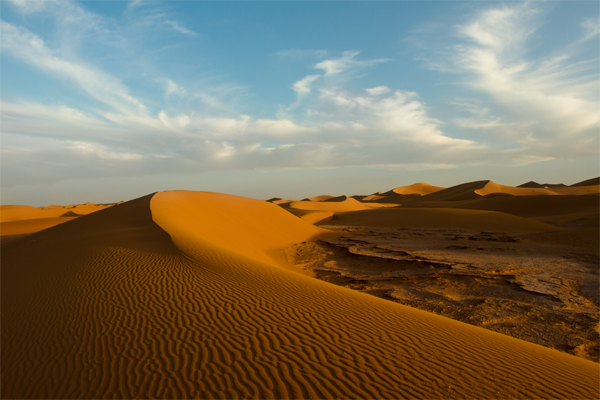
Landscape In the Sahara Desert there are sand dune fields, arid mountains, plateaus, and oasis depression. The higheset point of arid mountain is 11,204 feet above sea level, and the lowest depression in the Sahara Desert is 436 feet blow the sea level. Due to the hot weather of the Sahara Desert, soil are arid and hard for plants and other species to survive. Only few adapted species such as cactus, camels, snakes, and scorpions can survive.
|
Unique SymbiosisMutualism is a type of symbiosis relation ship where both organisms benefits each other. The desert bee and cactus are both benefiting each other. The major food resource for desert bee is cactus, and cacti are able to pollinate and reproduce species by desert bee.
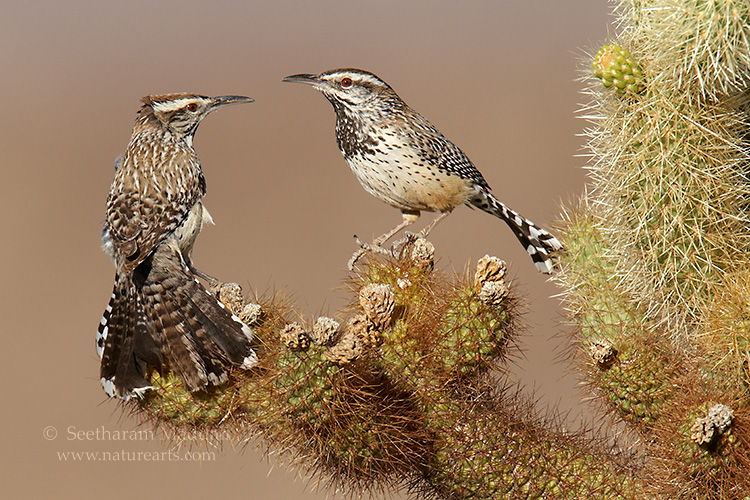
Commensalism is a symbiosis relationship where one only one side is benefited. Cactus wren is a type of bird which make nest in the tall Cholla cactus so that they can protect them selves and their young offspring, while cactus is not harmed or benefited. |
|
